Have any questions?
Call (276) 601-3208
RiverTrail Technology
|

Call (276) 601-3208


We have all done it. A small notification slides into the bottom corner of your screen telling you an update is ready to install, and you immediately hit "Remind Me Tomorrow." Tomorrow comes, and you hit it again. After two weeks of clicking "Restart Later," that pop-up becomes practically invisible.
Postponing updates feels like a minor efficiency win in the moment. You have work to do, and stopping for a ten-minute system reboot seems inconvenient. However, letting software updates stack up is one of the fastest ways to invite unnecessary downtime, security threats, and performance bugs into your business.
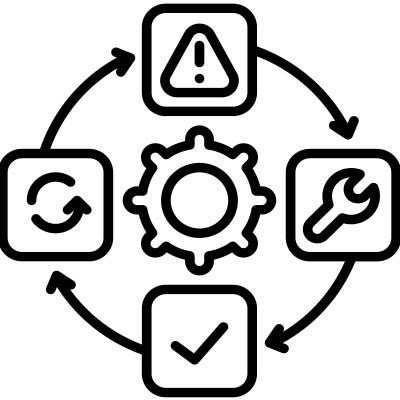
Throwing new software at a broken process only gives you automated chaos. When deadlines slip and details fall through the cracks, buying a new subscription will not fix the root cause. Technology merely accelerates your existing workflow. If that workflow is flawed, new software will only make your mistakes happen faster.

Repetitive daily administrative duties and system maintenance tasks can easily slow down even the most capable workforce, creating silent operational bottlenecks across your entire business. Adding simple game mechanics to standard workflows turns routine responsibilities into engaging, measurable achievements.

It sounds like a nightmare: you’ve spent a lot of time manually going through and filling out a spreadsheet. Too important to risk an AI hallucination, you’ve manually input and triple-checked every data point. It’s perfect.
Except the data needs to be flipped. Your x-axis should be where your y-axis is, and vice versa. Fortunately, both Microsoft Excel and Google Sheets have an easy fix: transpose.

When your business hits a growth plateau despite everyone working overtime, invisible operational drag is usually behind it. Glitches, disconnected software, and manual workarounds build up quietly over time. This hidden friction drains your team's energy and caps your revenue.

When a business experiences rapid growth, its technology often gets dragged along for the ride, forcing teams to patch together servers, switches, and software licenses as immediate needs arise. While this patchwork approach might keep operations moving temporarily, there is a massive difference between an IT environment engineered for scalable growth and one that is holding on for dear life.

When business leaders evaluate their technology investments, they typically glance at financial ledgers to tally software license costs, server replacement expenses, and direct billable hours lost during major network outages. While these numbers matter, they only reveal the tip of a much larger iceberg. The most profound financial and cultural return on technology comes from the compounding effect of continuous 99.9% uptime.
Here is how eliminating minor digital disruptions transforms your workforce, protects your bottom line, and strengthens your company culture.

When business leaders map out their technology budgets, attention naturally gravitates toward major hardware overhauls or critical cybersecurity defenses. However, a significant portion of operational cash flow often slips away through a much quieter avenue: unmanaged IT service agreements and unused software subscriptions.
When we serve our clients, we specialize in proactive technology support and IT management, helping local organizations audit their systems, eliminate waste, and optimize their digital infrastructure.

Managing a technology budget is incredibly frustrating right now. Technology costs are higher than they have ever been, mostly because software companies have shifted entirely to recurring subscription models. You look at your monthly IT bill and feel like you are burning cash, yet your team is still complaining that things are slow or frustrating to use.
Just throwing more money at the problem rarely solves it. Sometimes the smartest move you can make is to stop buying new things and focus on using what you already have in a more effective way.

Many organizations fall into the “jack of all trades, master of none” trap with their business technology. When seeking a competitive edge, the instinctive response is often to open the checkbook and subscribe to whatever hot new thing is trending in the industry. This is the wrong approach, because true operational excellence is about strategy, security, and execution.
To truly outperform the competition, organizations must look inward and optimize the infrastructure they already possess. Here are five strategies to turn your existing technology into a distinct competitive advantage.

Many business owners assume that buying new software tools will automatically increase productivity. In practice, it often does the exact opposite. Instead of making tasks easier, constantly adding apps leaves your team fighting persistent notifications, obstructive software updates, and fragmented workflows that require multiple logins just to finish a single task.
This mental exhaustion is known as tech fatigue, and it is quietly draining the efficiency right out of your office. Very few employees get excited about new technology these days. Usually, it just feels like another mandatory expense and a headache that gets in the way of doing their actual work. When your people spend more time fighting their screens than focusing on their core responsibilities, business performance plummets.

The average small business relies on dozens of different web platforms to handle daily operations, including billing, customer tracking, and team communication. For staff, this digital growth creates severe password fatigue. When employees are forced to remember dozens of complex logins, it leads to a constant loop of locked accounts, broken workflows, and lost productivity that stalls the business day.

How many vendors and subscriptions does your business rely on to function day to day?
Now ask a second question that should have the exact same answer but rarely does: How many vendors and subscriptions does your business currently pay for?

The web browser is the default place where most business work happens nowadays, driven by online platforms. As such, it has to keep track of a lot of data, settings, and configurations.
This data gradually accumulates over time, placing a heavy load on a device’s hardware and slowing the entire system to a mere crawl. Let’s discuss how to take the load off and get your system back to full functional capacity.

The cloud promises flexibility and remote access, but many business owners find the actual transition deeply frustrating. When an organization rushes a migration by simply moving old local server data into a basic cloud repository, a major bottleneck occurs. Employees end up battling slow file access, broken application shortcuts, and disorganized folder structures that stop daily momentum.
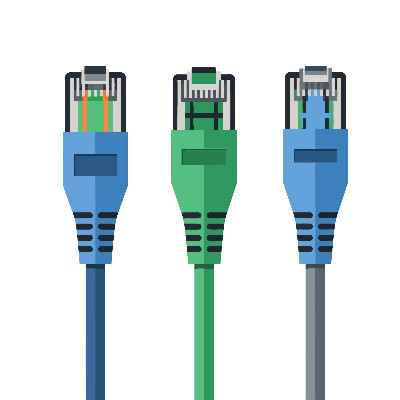
Back in 1973, the Ethernet was first described in a memo, marking a huge development in the technical and business worlds.
Consider that computers were once isolated from one another, unable to share data unless someone manually moved it between devices. The Ethernet changed all that, and now we enjoy cloud access, file sharing, and real-time collaboration.
That said, we cannot take these capabilities for granted. Maintenance is still crucial.

Your team isn't being defiant when they ignore your new software, and they certainly aren't lazy. They are suffering from technology fatigue.
Very few people get excited over technology these days. Sure, it is nice to get a flashy new smartphone, but in the office, a new piece of software rarely feels exciting. To your staff, it just feels like another login to remember, another dashboard to check, and another interruption in an already busy day.

The primary technical bottleneck for businesses in 2026 is the software silo. This occurs when core applications such as the CRM, accounting software, and project management tools lack native integration. When these systems remain isolated, employees are required to manually transfer data between platforms, creating a significant drain on company resources.

Remember when you first started your computer? Chances are, it was blazing fast… especially compared to now, when it seems to drag its way along. The reason is simple enough: as your workstation does its job, it collects digital baggage, which gets in the way.
Here is a simple, 4-step checklist to clear this digital clutter and get your speed back.

For many, technology sounds like an expensive line item that involves a lot of confusing jargon and regular updates. In 2026, the most successful business owners don't look at tech as a cost—they look at it as a revenue engine.
If you’ve ever wondered why some companies seem to grow effortlessly while others stay stuck in the daily grind, the answer usually lies in how they use their tools. Here is the layman’s guide to how the right technology builds revenue and pays for itself faster than you might think.
Learn more about what RiverTrail Technology can do for your business.
RiverTrail Technology
103 North Monroe St
Galax, Virginia 24333
You can return any item purchased on our website within 30 days of the purchase date.